

Current liabilities are one of the most important parts of your business accounts and are listed on the balance sheet. They show the short-term liabilities your business owes and help you understand whether you have enough to meet upcoming payments.

This guide explains what current liabilities are, provides examples, and explains why these liabilities matter for the company’s financial health. Understanding and planning for future revenue by creating a sales forecast can also play a key role in managing liabilities effectively.
What Are Current Liabilities?
Current liabilities are amounts your company owes that must be paid within the next 12 months or the normal operating cycle.
Disclosure: This content may contain affiliate links, which means if you click on them, I may get a commission (without any extra cost to you).
They are short-term liabilities that arise as part of running your business and appear on your balance sheet under the liabilities section.
Almost every business has current liabilities, even small sole traders.
What Is the Normal Operating Cycle?
The normal operating cycle is the time it takes for a business to:
- buy or create goods or services
- sell them to customers
- collect the cash from those sales
For many small businesses, this cycle is less than 12 months. However, in some industries—such as construction or manufacturing—it can be longer.
Now that we have looked at the operating cycle, let’s look at why current liabilities matter to small businesses.
Why Current Liabilities Matter
Understanding current liabilities is essential for managing cash flow and short-term debt.
You may be making a profit, but if you don’t have enough to pay your short-term obligations, your business can still run into trouble.
Current liabilities help you understand:
- How much needs to leave your business in the near future
- whether you can afford the upcoming payments
- How financially stable your business is in the short term
Ignoring current liabilities is one of the most common causes of cash flow problems in small businesses.

Where Current Liabilities Appear in the Accounts
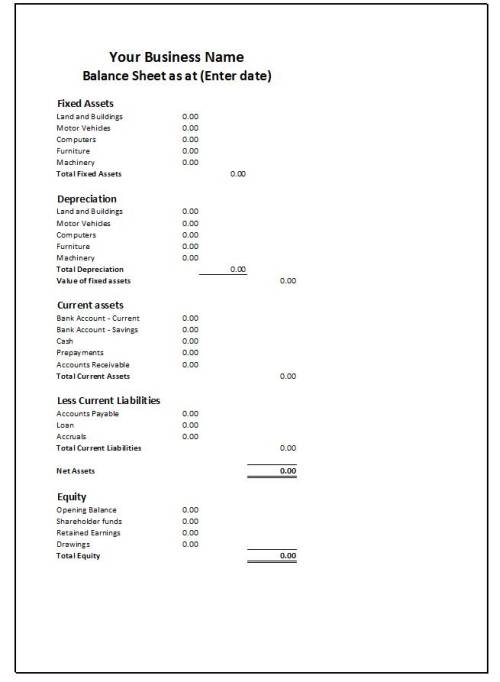
Current liabilities appear on the balance sheet, which shows what your business owns and owes at a specific point in time.
The balance sheet is split into:
- Assets – what the business owns
- Liabilities – what the business owes
Liabilities are then divided into:
- Current liabilities (payable within 12 months)
- Long-term liabilities (payable after 12 months)
Below is our balance sheet template that shows where the current liabilities are listed.
Accounting for Current Liabilities
As with all accounting, current liabilities are part of double entry bookkeeping. So for each entry, there will be an equal-and-opposite entry.
For example, when you take out a loan, you must record it in the current liability account. When you pay down that same debt, credit it and debit cash or a bank account. That will also help you keep track of the amount of money owed. The easiest way to complete double entry bookkeeping is to use accounting software. We recommend Sage UK, Xero or QuickBooks.
Accounting Software Best Deals

XERO – 90% Discount for 6 Months – Cloud accounting, unlimited users, bank feeds, MTD compatible

QuickBooks – 90% off for 7 Months – Sole traders, easy to use, MTD-compatible

Tide – Free with Tide Bank Account – All your banking and accounts in one place, MTD compatible
Common Examples of Current Liabilities
Below are the most common examples of short-term liabilities you’ll see in small business accounts. Here is a short list followed by more details and examples on each:
- Accounts Payable
- Accrued Expenses
- Wages and salaries Payable
- Taxes Due
- Short-term loans and overdrafts
- Customer deposits
- Dividends payable
- Interest payable
Accounts Payable (Trade Creditors)
Accounts payable are amounts you owe to suppliers for goods or services you’ve already received but haven’t paid for yet. These can also include amounts owed for payroll, such as employee wages and related expenses.
You receive a £1,500 invoice from a supplier with 30-day payment terms. Until you pay it, that £1,500 is a current liability.
Accrued Expenses
Accrued expenses are costs your business has incurred but hasn’t yet been billed for or paid for.
Common accrued expenses include:
- electricity and gas
- phone and internet
- professional fees
- loan interest
Your electricity bill hasn’t arrived yet, but you estimate it will be £250. That £250 still counts as a current liability.
Wages and Salaries Payable
If staff have worked but haven’t yet been paid, the amount owed is a current liability.
Your accounting period ends before payroll is run. The wages earned but unpaid must still be recorded as a liability.
Taxes Payable
Taxes owed to HMRC that are due within the next year are current liabilities.
These often include:
- VAT payable
- PAYE – Income Tax and National Insurance
- Corporation Tax (if due within 12 months)
- Loan accounting entries, if your business has any loans outstanding
If your VAT return shows £3,800 payable next month, that amount is a current liability until it’s paid.
Short-Term Loans and Overdrafts
Any borrowing that must be repaid within the next 12 months is classed as a current liability.
This includes:
- bank overdrafts
- short-term loans
- the next 12 months of repayments on longer loans
Even if a loan runs for several years, the portion due within the next year is treated as a current liability.
Customer Deposits and Advance Payments (deferred revenue)
Payments received from customers before you’ve delivered the goods or services are also a current liability. This is because until the work is completed, your business still owes the customer something.
A customer pays £2,000 upfront for work you’ll complete next month. That £2,000 is a liability until the job is finished.
Dividends Payable
Dividends payable represent the amount a company owes to its shareholders for dividends that have been declared but not yet paid. These are considered current liabilities because the company is responsible for paying this amount within the current fiscal year or reporting period.
Proper classification of dividends is important for providing a clear picture of a company’s short-term financial obligations and maintaining transparency for investors and creditors.
Interest Payable
Interest payable is the interest your business owes on loans or overdrafts that have been incurred but not yet paid.
It is classed as a current liability because it usually relates to interest due within the next 12 months.
Current Liabilities Examples
A small shop has:
- £5,000 accounts payable
- £1,400 VAT payable
- £900 unpaid wages
- £600 accrued electricity bill
Total current liabilities: £7,900
This means the business needs enough to cover £7,900 in payments.
A consultancy has:
- £3,000 customer deposits
- £2,200 accounts payable
- £1,100 PAYE and NI due
Total current liabilities: £6,300

Current Liabilities vs Current Assets
Current liabilities are closely linked to current assets.
- Current assets are things expected to turn into cash within 12 months
- Current liabilities are amounts that must be paid within 12 months
Ideally, current assets should exceed current liabilities. This means your business can comfortably meet its short-term liabilities.
If current liabilities exceed current assets, it can be a warning sign of cash flow pressure.
| Current assets (money coming in) | Current liabilities (money going out) |
|---|---|
| Cash in the bank | Supplier invoices |
| Money customers owe you | Wages to be paid |
| Stock you expect to sell | VAT and PAYE due |
| Prepaid expenses | Short-term loan repayments |
Current Ratio
The current ratio is a simple way to measure whether your business can pay its short-term obligations.
It compares current assets to current liabilities and shows how easily your business can cover its obligations.
Current Ratio Formula
Current assets ÷ current liabilities
If your company has:
- £20,000 in current assets
- £10,000 in current liabilities
Your current ratio is 2:1. This means the company has twice as many short-term assets as short-term liabilities.
Why Small Business Owners Should Monitor Current Liabilities
Regularly reviewing current liabilities helps you:
- avoid shortages
- plan payments in advance
- spot financial problems early
- make better spending decisions
Many businesses fail not because they aren’t profitable, but because they don’t manage short-term liabilities properly.
Practical Tips for Managing Current Liabilities
- Review supplier balances each month
- Keep track of tax deadlines
- Compare current liabilities to available current assets regularly
- Use accounting software to monitor what’s due and when
Summary
Current liabilities are short-term amounts your business owes, usually payable within the next 12 months.
They include supplier invoices, unpaid wages, taxes due, short-term loans, and customer deposits.
Understanding current liabilities helps you manage cash flow, avoid surprises, and keep your company financially stable.
Frequently Asked Questions (FAQ)
What is the difference between current and non-current liabilities?
Current liabilities are due within 12 months. Long-term liabilities are amounts payable after 12 months, such as long-term loans.
Why are current liabilities important for cash flow?
They show how much money your business must pay out soon, helping you plan cash flow and avoid running out of funds.
How do you calculate the business’s current liabilities?
On the balance sheet, add up all the current liabilities, including accounts payable, taxes owed and accrued expenses. This will give you the total short-term liabilities.
